
Blog
Premier Yacht Management Services Across Fort Lauderdale and South Florida
Blog
Premier Yacht Management Services Across Fort Lauderdale and South Florida
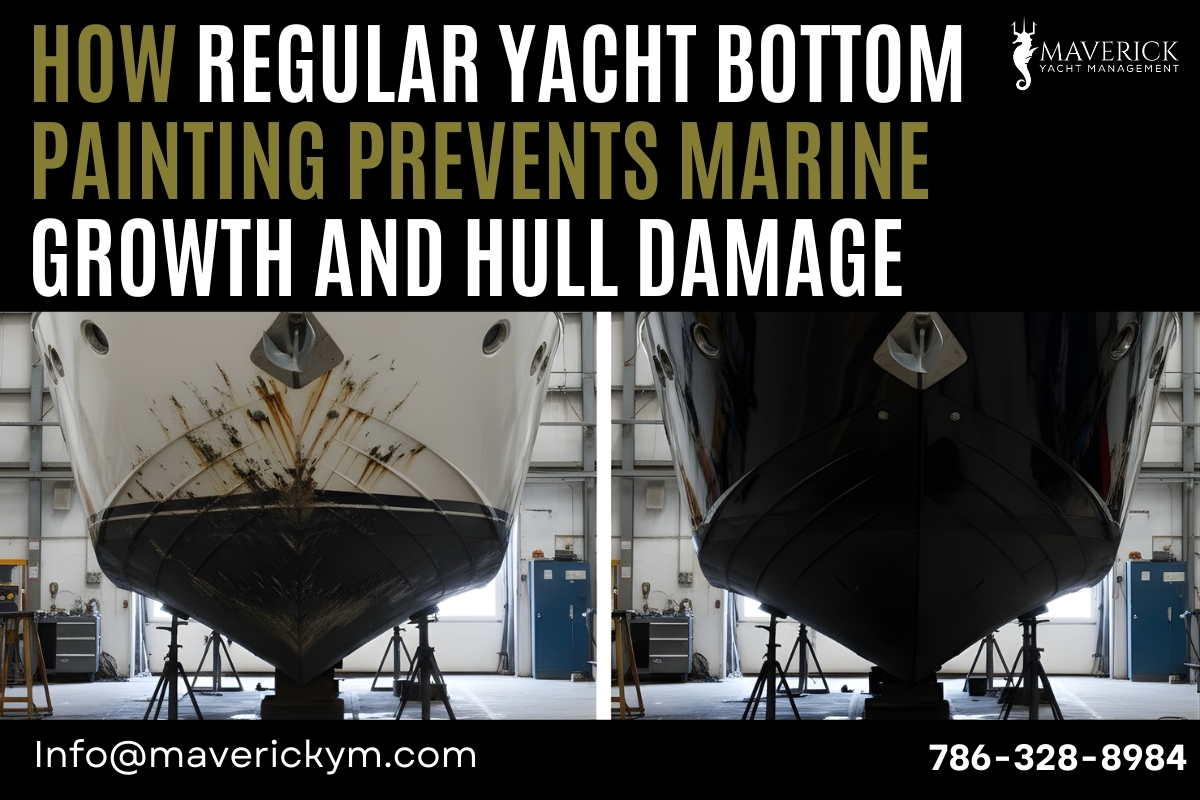
How Regular Yacht Bottom Painting Prevents Marine Growth and Hull Damage
Yachts spend most of their life in constant contact with water, which places steady pressure on underwater surfaces. Saltwater, heat, and microorganisms begin affecting the hull long before problems become visible. Owners who understand underwater exposure plan maintenance early rather than reacting after damage appears.
Bottom painting plays a critical role in protecting submerged hull areas from gradual wear. Specialized coatings create a controlled barrier that limits organism attachment and surface breakdown. Preventive application helps preserve hull condition while reducing long term maintenance demands.
Proper bottom paint supports responsible yacht ownership by addressing risks below the waterline. Education around this process helps owners and captains make informed decisions based on vessel use, environment, and operating schedules.
What Is Marine Growth and Why It Threatens Yacht Hulls
Marine growth begins forming on yacht hulls soon after a vessel remains in the water for extended periods, especially in warm and nutrient rich environments.
Organisms attach below the waterline and spread steadily, creating buildup that affects surface condition, movement, and long term hull health.
Barnacle Attachment
Hard shelled organisms anchor tightly to hull coatings and create rigid clusters that place ongoing pressure on surface materials.Algae Layer Formation
Soft growth spreads across submerged areas, traps moisture, and encourages faster accumulation of heavier organisms.Biofilm Development
Microscopic layers form early and create a base that supports larger growth over time.Extended Water Exposure
Continuous immersion speeds up attachment cycles and reduces the time hull surfaces remain clean.Surface Stress Points
Uneven buildup creates friction zones that strain coatings and weaken overall hull protection.
How Yacht Bottom Painting Works as a Protective System
Yacht bottom painting uses specialized marine coatings to actively limit organism attachment and protect submerged hull surfaces during continuous water exposure.
Antifouling Action
Active compounds within the paint disrupt organism adhesion, which prevents barnacles and algae from bonding to the hull surface.Controlled Paint Wear
Gradual surface erosion releases fresh protective material, which maintains effectiveness throughout the service interval.Protective Purpose
Functional coatings focus on hull defense and longevity rather than visual appearance or cosmetic appeal.Professional Application Standards
Proper surface preparation and product selection ensure reliable protection aligned with real world marine operating conditions.
How Bottom Painting Reduces Hull Damage and Corrosion Risk
Underwater coatings play a direct role in slowing material breakdown by separating hull surfaces from harsh marine conditions.
Consistent coverage reduces exposure to elements that trigger corrosion and long term wear across different hull materials.
Saltwater Separation
Protective layers block constant contact with saltwater, which lowers chemical reaction rates that damage submerged surfaces.Moisture Reduction
Sealed coatings limit water absorption and prevent trapped moisture that often accelerates corrosion beneath the surface.Material Protection
Fiberglass, metal, and composite hulls retain structural integrity longer when coatings shield them from continuous immersion effects.Even Surface Defense
Uniform coverage reduces weak points where exposed areas degrade faster than protected sections.
Signs Your Yacht Hull Needs Bottom Paint Attention
Hull wear often develops slowly below the waterline and remains unnoticed until performance or handling changes appear.
Early visual and operational cues help owners recognize declining protection before damage increases and maintenance becomes more involved.
Visible Marine Buildup
Algae, slime, or barnacles appear sooner than expected after cleaning, which signals reduced coating effectiveness.Rough Hull Texture
Uneven or coarse surface feel becomes noticeable during haul out or routine underwater inspection.Reduced Cruising Efficiency
More throttle becomes necessary to maintain familiar speeds during normal cruising conditions.Handling Irregularities
Steering response feels less predictable during docking, slow maneuvering, or tight turns.Discoloration or Coating Wear
Fading, thinning, or patchy paint areas indicate declining protection across submerged surfaces.Shortened Clean Interval
Faster return of buildup between cleanings suggests coating exhaustion and reduced resistance to growth.
Performance and Efficiency Benefits of a Clean Painted Hull
Clean underwater surfaces support smoother movement through water and help vessels operate with greater consistency during daily use.
Reduced Hull Drag
Smooth coatings limit friction along submerged surfaces, which allows water to flow cleanly around the hull during movement.Improved Fuel Efficiency
Lower resistance reduces engine load, which helps control fuel use during cruising, docking, and longer passages.Consistent Handling
Balanced hull conditions support predictable steering response and steady control across varying speeds and sea states.Operational Confidence
Owners and operators benefit from reliable performance that remains stable across routine trips and demanding conditions.
Bottom Paint Maintenance Schedule and Common Mistakes
Bottom paint performance depends on timing, surface condition, and consistent care. Clear planning helps owners avoid preventable damage that often begins with delayed service or improper preparation.
Recommended Maintenance Timing Versus Delayed Repainting
Regular repainting follows vessel usage, water conditions, and dock time rather than fixed calendar dates. Active yachts in warm waters often require more frequent attention to maintain coating effectiveness.
Delayed repainting allows growth attachment and coating failure, which increases cleaning costs and exposes hull materials to stress below the waterline.
Proper Surface Preparation Versus Poor Application Practices
Correct preparation includes thorough cleaning, inspection, and adhesion checks before any coating application. Skipping prep steps leads to uneven coverage and early paint failure.
Poor application shortens service life and reduces protective value, which forces corrective work sooner than expected and raises long term maintenance costs.
Bottom Painting as Preventive Yacht Asset Protection
Regular bottom painting protects hull surfaces that face constant exposure to saltwater and marine organisms. Consistent coatings help limit buildup, reduce material fatigue, and preserve underwater areas that owners rarely see but rely on every day. Preventive care below the waterline supports long term vessel reliability.
Clean and protected hulls also support smoother operation over time. Reduced resistance helps engines work within normal ranges and allows predictable handling during routine cruising and docking. Attention to underwater maintenance protects performance without adding unnecessary strain or cost.
Informed maintenance planning protects yacht value and avoids costly corrective work later. Contact us today to review hull conditions and plan bottom paint service based on real operating conditions.
FAQs
What causes marine growth to build up so quickly on yacht hulls?
Warm water, sunlight, and nutrients create ideal conditions for organisms to attach and spread on submerged surfaces.How often should bottom painting be planned for an active yacht?
Maintenance timing depends on usage, water conditions, and dock time rather than a fixed annual schedule.Can marine growth damage hull materials over time?
Prolonged buildup increases surface stress, traps moisture, and accelerates wear on fiberglass, metal, and composite hulls.
Does bottom painting help with daily vessel performance?
Smooth underwater surfaces reduce resistance, which supports steadier handling and more efficient operation.Why does professional surface preparation matter before painting?
Proper cleaning and inspection improve paint adhesion, extend coating life, and reduce early failure risks.

How Regular Yacht Bottom Painting Prevents Marine Growth and Hull Damage
Yachts spend most of their life in constant contact with water, which places steady pressure on underwater surfaces. Saltwater, heat, and microorganisms begin affecting the hull long before problems become visible. Owners who understand underwater exposure plan maintenance early rather than reacting after damage appears.
Bottom painting plays a critical role in protecting submerged hull areas from gradual wear. Specialized coatings create a controlled barrier that limits organism attachment and surface breakdown. Preventive application helps preserve hull condition while reducing long term maintenance demands.
Proper bottom paint supports responsible yacht ownership by addressing risks below the waterline. Education around this process helps owners and captains make informed decisions based on vessel use, environment, and operating schedules.
What Is Marine Growth and Why It Threatens Yacht Hulls
Marine growth begins forming on yacht hulls soon after a vessel remains in the water for extended periods, especially in warm and nutrient rich environments.
Organisms attach below the waterline and spread steadily, creating buildup that affects surface condition, movement, and long term hull health.
Barnacle Attachment
Hard shelled organisms anchor tightly to hull coatings and create rigid clusters that place ongoing pressure on surface materials.Algae Layer Formation
Soft growth spreads across submerged areas, traps moisture, and encourages faster accumulation of heavier organisms.Biofilm Development
Microscopic layers form early and create a base that supports larger growth over time.Extended Water Exposure
Continuous immersion speeds up attachment cycles and reduces the time hull surfaces remain clean.Surface Stress Points
Uneven buildup creates friction zones that strain coatings and weaken overall hull protection.
How Yacht Bottom Painting Works as a Protective System
Yacht bottom painting uses specialized marine coatings to actively limit organism attachment and protect submerged hull surfaces during continuous water exposure.
Antifouling Action
Active compounds within the paint disrupt organism adhesion, which prevents barnacles and algae from bonding to the hull surface.Controlled Paint Wear
Gradual surface erosion releases fresh protective material, which maintains effectiveness throughout the service interval.Protective Purpose
Functional coatings focus on hull defense and longevity rather than visual appearance or cosmetic appeal.Professional Application Standards
Proper surface preparation and product selection ensure reliable protection aligned with real world marine operating conditions.
How Bottom Painting Reduces Hull Damage and Corrosion Risk
Underwater coatings play a direct role in slowing material breakdown by separating hull surfaces from harsh marine conditions.
Consistent coverage reduces exposure to elements that trigger corrosion and long term wear across different hull materials.
Saltwater Separation
Protective layers block constant contact with saltwater, which lowers chemical reaction rates that damage submerged surfaces.Moisture Reduction
Sealed coatings limit water absorption and prevent trapped moisture that often accelerates corrosion beneath the surface.Material Protection
Fiberglass, metal, and composite hulls retain structural integrity longer when coatings shield them from continuous immersion effects.Even Surface Defense
Uniform coverage reduces weak points where exposed areas degrade faster than protected sections.
Signs Your Yacht Hull Needs Bottom Paint Attention
Hull wear often develops slowly below the waterline and remains unnoticed until performance or handling changes appear.
Early visual and operational cues help owners recognize declining protection before damage increases and maintenance becomes more involved.
Visible Marine Buildup
Algae, slime, or barnacles appear sooner than expected after cleaning, which signals reduced coating effectiveness.Rough Hull Texture
Uneven or coarse surface feel becomes noticeable during haul out or routine underwater inspection.Reduced Cruising Efficiency
More throttle becomes necessary to maintain familiar speeds during normal cruising conditions.Handling Irregularities
Steering response feels less predictable during docking, slow maneuvering, or tight turns.Discoloration or Coating Wear
Fading, thinning, or patchy paint areas indicate declining protection across submerged surfaces.Shortened Clean Interval
Faster return of buildup between cleanings suggests coating exhaustion and reduced resistance to growth.
Performance and Efficiency Benefits of a Clean Painted Hull
Clean underwater surfaces support smoother movement through water and help vessels operate with greater consistency during daily use.
Reduced Hull Drag
Smooth coatings limit friction along submerged surfaces, which allows water to flow cleanly around the hull during movement.Improved Fuel Efficiency
Lower resistance reduces engine load, which helps control fuel use during cruising, docking, and longer passages.Consistent Handling
Balanced hull conditions support predictable steering response and steady control across varying speeds and sea states.Operational Confidence
Owners and operators benefit from reliable performance that remains stable across routine trips and demanding conditions.
Bottom Paint Maintenance Schedule and Common Mistakes
Bottom paint performance depends on timing, surface condition, and consistent care. Clear planning helps owners avoid preventable damage that often begins with delayed service or improper preparation.
Recommended Maintenance Timing Versus Delayed Repainting
Regular repainting follows vessel usage, water conditions, and dock time rather than fixed calendar dates. Active yachts in warm waters often require more frequent attention to maintain coating effectiveness.
Delayed repainting allows growth attachment and coating failure, which increases cleaning costs and exposes hull materials to stress below the waterline.
Proper Surface Preparation Versus Poor Application Practices
Correct preparation includes thorough cleaning, inspection, and adhesion checks before any coating application. Skipping prep steps leads to uneven coverage and early paint failure.
Poor application shortens service life and reduces protective value, which forces corrective work sooner than expected and raises long term maintenance costs.
Bottom Painting as Preventive Yacht Asset Protection
Regular bottom painting protects hull surfaces that face constant exposure to saltwater and marine organisms. Consistent coatings help limit buildup, reduce material fatigue, and preserve underwater areas that owners rarely see but rely on every day. Preventive care below the waterline supports long term vessel reliability.
Clean and protected hulls also support smoother operation over time. Reduced resistance helps engines work within normal ranges and allows predictable handling during routine cruising and docking. Attention to underwater maintenance protects performance without adding unnecessary strain or cost.
Informed maintenance planning protects yacht value and avoids costly corrective work later. Contact us today to review hull conditions and plan bottom paint service based on real operating conditions.
FAQs
What causes marine growth to build up so quickly on yacht hulls?
Warm water, sunlight, and nutrients create ideal conditions for organisms to attach and spread on submerged surfaces.How often should bottom painting be planned for an active yacht?
Maintenance timing depends on usage, water conditions, and dock time rather than a fixed annual schedule.Can marine growth damage hull materials over time?
Prolonged buildup increases surface stress, traps moisture, and accelerates wear on fiberglass, metal, and composite hulls.
Does bottom painting help with daily vessel performance?
Smooth underwater surfaces reduce resistance, which supports steadier handling and more efficient operation.Why does professional surface preparation matter before painting?
Proper cleaning and inspection improve paint adhesion, extend coating life, and reduce early failure risks.

Schedule Your Free Systems Check!
Schedule Your Free Systems Check!
Services
Contact Us
Address
Business Hours: Monday - Friday
9:00AM - 5:00PM


