
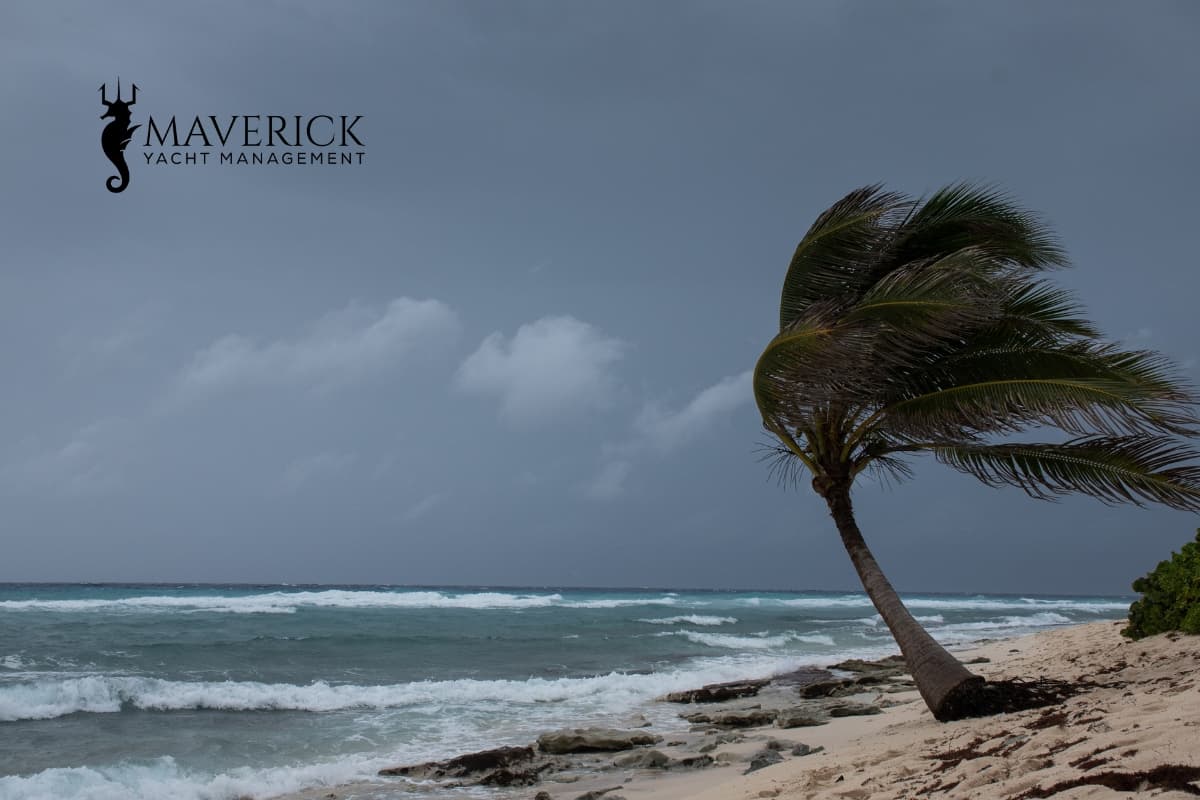
Hurricane Season 2026: The Yacht Protection Checklist Fort Lauderdale Owners Are Using Before Every Storm
Hurricane season is the one part of yacht ownership no South Florida owner can ignore. A single storm can undo years of care in an afternoon, and the boats that come through best are the ones prepared long before the wind arrives. Preparation, not luck, decides the outcome.
Forecasts this year offer little room for complacency. NOAA calls the 2026 season below normal, yet a quiet season means nothing if the one storm that forms tracks over your dock. Smart owners treat every named system as a direct threat and act on a plan.
Solid yacht hurricane protection Fort Lauderdale owners rely on comes down to a repeatable checklist. Knowing what to do, in what order, and how early to start turns a frantic scramble into a calm, practiced routine.
What the 2026 Forecast Really Means for Your Yacht
Numbers can lull owners into a false sense of safety. NOAA's updated 2026 outlook predicts a below-normal Atlantic season, with a strong El Niño expected to suppress activity through the fall. By early August, only two named storms had formed, and neither reached hurricane strength, which sounds reassuring on its face.
Reassurance is not protection. Forecasters stress that a seasonal outlook is not a landfall forecast, and preparing early matters far more than the total storm count. One hurricane at your marina outweighs a dozen that spin harmlessly out to sea.
History backs that up plainly. Hurricane Andrew formed in a below-average season and still became one of the costliest storms ever to strike South Florida. Planning for the storm that reaches you, rather than the season as a whole, is the only mindset that protects a vessel.
Haul Out, Dock, or Relocate: The First Big Decision
Where your yacht rides out the storm is the single biggest choice. Hauling the vessel onto land and securing it on stands or straps is widely considered the safest option. Crews on the BoatUS Catastrophe Team report far less damage on boats hauled ashore and tied down properly.
Staying in the water demands serious preparation. A vessel left at a dock needs heavier lines, generous chafe protection, and a slip shielded from surge. Roughly half of boats damaged at fixed docks could have been saved by better line work alone.
Relocation is the third path. Moving the yacht to a hurricane-rated marina or a protected hurricane hole often makes sense. A licensed captain relocation gets the vessel to safer water before conditions turn. Your written plan and insurance policy should settle this choice in advance, not during a warning.
The Pre-Season Foundation Every Plan Needs
Real protection starts months before the first advisory. A written hurricane plan spells out where the boat goes, who moves it, and every step to secure it. Nothing then gets improvised when a storm is bearing down.
Reservations cannot wait for a named storm. Haul-out yards and hurricane-rated slips in South Florida fill within hours of a serious threat. A hurricane protection plan with a prepaid, guaranteed space is worth far more than a hopeful phone call. Securing that spot early is the difference between a safe haul and a closed gate.
Insurance belongs in the plan too. Reviewing your named-storm deductible, confirming haul-out reimbursement, and updating contact details before June keeps the paperwork from becoming a crisis of its own. A quick policy review each spring costs far less than discovering a coverage gap after a loss.
Sound systems matter as much as paperwork. Keeping bilge pumps and batteries reliable through routine maintenance and repair lets a boat defend itself if it rides out the storm afloat.
The Before-Every-Storm Yacht Protection Checklist
Once a watch is issued, a clear checklist keeps preparation fast and complete. Work through the following steps as soon as a storm threatens, and finish every one well before conditions deteriorate.
- Activate your haul-out or relocation plan the moment a watch is posted, since yards and safe slips fill quickly and late action leaves few options.
- Strip everything that catches wind, including canvas, biminis, sails, cushions, antennas, and any loose gear stowed on deck or in cockpit lockers.
- Double every dock line, rig crossing spring lines fore and aft, and attach lines high on pilings to allow for storm surge and rising tides.
- Add chafe protection at every chock and fairlead, and set large fenders where the hull could strike a piling, dock, or neighboring vessel.
- Seal hatches, ports, and vents against driving rain, close seacocks below the waterline, and secure anything that must remain aboard.
- Check that every bilge pump works and charge the batteries fully, since a boat left in the water depends on both through a long storm.
- Top off the fuel tanks, shut down nonessential systems, and remove electronics, documents, and valuables you cannot afford to lose.
- Photograph the entire vessel inside and out before the storm, creating a dated record that speeds any insurance claim afterward.
Dock Lines and Chafe: The Details That Fail First
Line failure sinks more boats than wind alone. Water, wind, and tide keep a moored vessel in constant motion. Any line rubbing against a hard edge will part under storm loads, which is why chafe gear at every rub point is non-negotiable.
Bigger and longer beats short and tight. Heavier lines with room for the boat to rise on a surge absorb shock that would snap a taut line. Wooden pilings handle the lateral load of a storm better than concrete ones.
Loads climb faster than most owners expect. Strain on a dock line roughly doubles with every fifteen knots of added wind. A setup that feels solid in a summer squall can fail outright in a hurricane. Planning lines for the worst case is the only safe approach.
The Fort Lauderdale Factor
Local geography shapes every storm plan here. Crowded waterways, low-lying neighborhoods, and heavy surge risk along the New River and Intracoastal mean a yacht faces threats a marina farther inland never sees.
Demand makes timing critical. Every haul-out yard and protected slip in the region draws a rush the moment a storm enters the forecast. Owners who reserve space early keep options that latecomers simply lose. A prepaid spot beats a waiting list every time.
Local crews close the gap. Boots on the ground know the yards, the bridges, and the fastest safe routes. A local crew can move and secure a vessel while an out-of-town owner is still checking flights.
People First: The Part No Checklist Should Skip
Property is replaceable, and you are not. Once winds build and conditions turn dangerous, no line, fender, or haul-out is worth risking your safety to finish. Complete every task early and step away in time.
Official guidance leads the way. Following evacuation orders and the safety advice at Ready.gov protects the people who matter most, while a prepared vessel and a trusted local team handle the boat. Let professionals manage the dock so your family never has to.
After the Storm: The First Moves Matter Most
Danger does not end when the wind drops. Downed power lines, debris, and flooding can make a marina hazardous for days. Waiting until local authorities declare the area safe comes before any trip to check on the boat.
Documentation comes before cleanup. Photographing every bit of damage before moving or repairing anything preserves the evidence an insurer needs. A careful walk-through catches hidden water intrusion or electrical trouble early.
Speed protects the vessel next. Checking bilge pumps, restoring power safely, and addressing any water aboard within the first day prevents a survivable storm from turning into a total loss. A professional condition report at this stage gives an owner a clear, documented picture from hundreds of miles away.
How Maverick Executes Storm Protection on the Ground
Absentee owners face a hard truth every season. A storm will not wait for a flight from another state. Only a local team executing a plan already in place can protect a vessel you cannot reach.
Johann Faubel, co-founder of Maverick Yacht Management and a US Coast Guard licensed captain, built the program around readiness rather than reaction. Maverick works in three clear phases, starting with a pre-season reservation that locks in a guaranteed haul-out or hurricane-rated slip before capacity disappears.
Execution follows the moment a storm is named. Crews relocate and secure each vessel to its documented protocol, then inspect the boat afterward, provide a condition report, and handle its return to the home slip. Folding that program into full yacht management or a Platinum plan keeps storm readiness connected to year-round care.
Frequently Asked Questions
When should I start preparing my yacht for hurricane season in Fort Lauderdale?
Preparation should begin before the season opens on June 1, with a written plan, a reserved haul-out or slip, and an insurance review already in place. Active steps like stripping canvas and doubling lines begin the moment a watch is posted for your area.
Is it safer to haul my yacht out or leave it in the water during a storm?
Hauling ashore and securing the vessel on stands or straps is generally considered the safest choice, and storm-response teams report less damage on boats stored on land. Leaving a yacht in the water can work with heavy lines, chafe gear, and a surge-protected slip, though it carries more risk.
Does yacht insurance cover hauling out for a hurricane?
Many marine policies include haul-out reimbursement that helps cover the cost of pulling a vessel before a named storm, though terms and named-storm deductibles vary widely. Confirming the details with your insurer before the season is the only way to know your exact coverage.
What happens if I am out of state when a storm threatens Fort Lauderdale?
A local management team executes your pre-arranged plan without waiting for you to arrive, relocating and securing the vessel to its documented protocol. Such coverage is exactly why absentee and seasonal owners keep a professional storm plan in place.
Can a management company handle my entire hurricane plan while I am away?
A professional team can execute the whole plan on your behalf, from reserving a haul-out to securing the vessel and reporting afterward. Owners who travel or live out of state rely on that coverage so their yacht is never left waiting on a delayed flight.
What does a professional post-storm inspection include?
A post-storm inspection covers the hull, systems, dock lines, and interior for damage, water intrusion, and electrical faults, followed by a documented condition report. Catching problems early keeps a manageable issue from growing into a costly one while the owner is away.
Does having a hurricane plan affect my insurance?
Many insurers view a documented hurricane plan favorably, and some reduce premiums for vessels with a professional storm protocol in place. Confirming how your own policy treats a plan, and any haul-out reimbursement, is worth a call before the season starts.
Who handles yacht hurricane protection in Fort Lauderdale?
Maverick Yacht Management builds and executes custom storm plans for vessels across Fort Lauderdale, Miami, and West Palm Beach, from pre-season reservations to post-storm return. A captain-led team and prepaid haul-out options keep each yacht protected through the season.
Get Your 2026 Hurricane Plan in Place Before the Next Storm
Below-normal odds change nothing about the one storm that counts. A yacht that rides out this season safely is the one with a plan, a reserved space, and a team ready to act long before the first watch.
Do not wait for a name on the map. Contact Maverick Yacht Management to build a hurricane protection plan for your vessel now. Let a captain-led team keep your yacht secure through every storm the 2026 season sends.
Need help with your vessel?
Maverick offers free on-vessel inspections. We walk your boat, assess her condition, and send you a plan — no obligation.
Talk to a captain, not a call center.
Free vessel assessments. No commitment.
Request an Inspection (954) 799-5870