
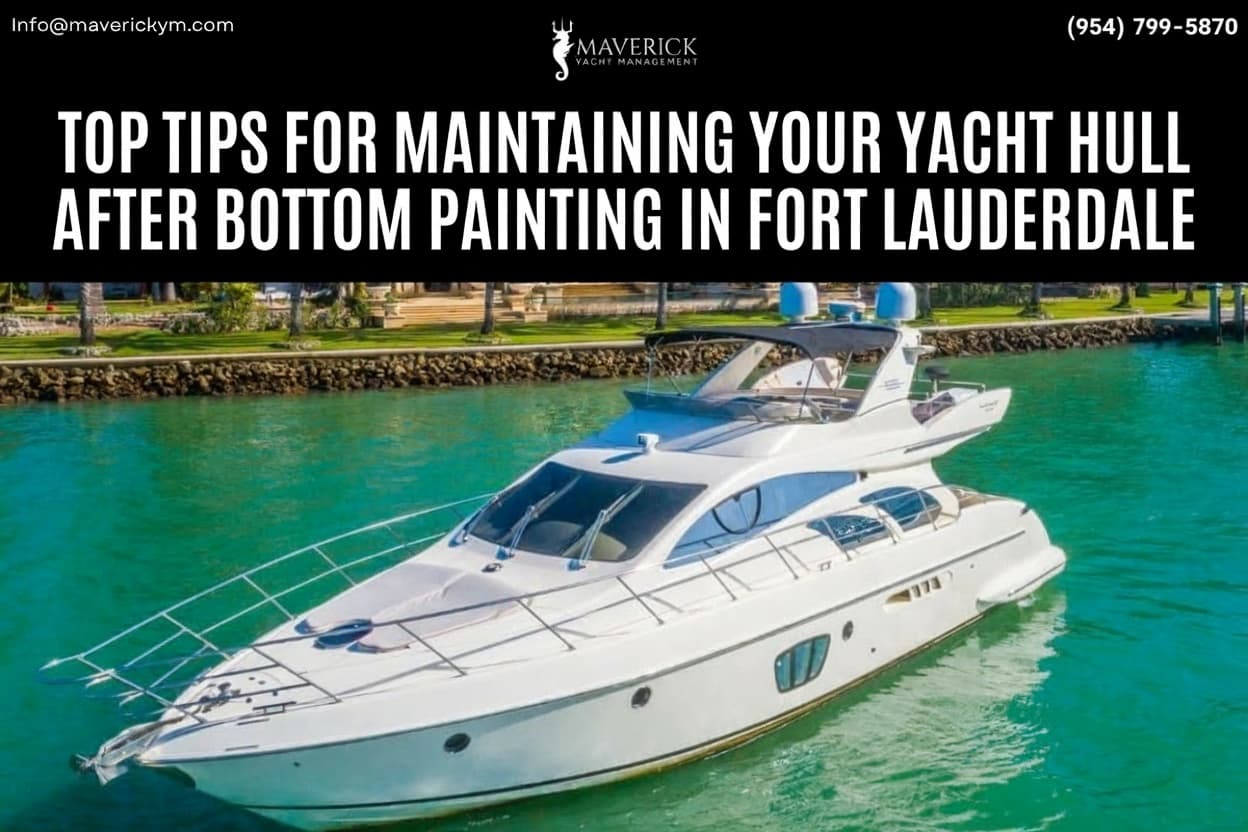
Top Tips for Maintaining Your Yacht Hull After Bottom Painting in Fort Lauderdale
Yacht bottom painting helps shield hull surfaces from algae and water exposure, yet paint alone does not solve every issue. Boat owners often return vessels to the water and assume protection will last without follow up. That assumption leads to faster wear and avoidable damage over time.
Warm Florida waters create steady growth pressure on hull surfaces. Heat, moisture, and nutrients encourage algae and barnacles to form soon after launch. Yacht hull maintenance plays a major role in slowing that buildup and keeping antifouling layers effective. Consistent attention supports smoother movement and better handling in local waters.
Post bottom paint care focuses on what happens after the job ends. Information ahead explains early changes beneath the waterline, outlines smart upkeep habits, and highlights errors that shorten paint life. Practical insight helps owners protect hull condition and preserve long term value around Fort Lauderdale.
What Happens to Your Yacht Hull After Bottom Painting?
Fresh paint reacts to water, temperature, and movement soon after launch. Early care affects how well coatings perform against growth and wear. Attention during initial use supports stronger protection and avoids surface issues later.
Understanding the Curing and Settling Phase
Bottom paint curing time varies based on water warmth and product type. Calm use allows proper bonding and stable coverage.
Initial Bonding PeriodProper settling allows paint layers to attach evenly, reducing weak spots that cause peeling or early coating failure.
Early Water ContactGentle immersion supports consistent curing and helps coatings activate across the entire hull surface.
First Usage ConditionsLight operation during early days prevents surface disruption and supports long term coating strength underwater.
How Antifouling Paint Protects Your Hull
Antifouling paint care keeps protective layers working as intended after launch. Active compounds slow growth attachment and reduce drag.
Growth Resistance ActionProtective agents limit algae and barnacle buildup, helping maintain smoother movement through water over time.
Surface Stability SupportEven activation improves yacht hull protection and reduces uneven wear caused by early handling mistakes.
Long Term Performance ImpactCorrect early care extends coating life and supports reliable protection in warm Florida water conditions.
What Are the Best Practices for Routine Yacht Hull Maintenance?
Routine care keeps painted hull surfaces working as intended and helps prevent early coating failure. Smart upkeep focuses on timing, gentle handling, and consistent checks rather than aggressive cleaning. Structured habits reduce long term costs and support reliable performance in Fort Lauderdale waters.
Set a Consistent Inspection ScheduleRegular visual checks help spot early wear, surface buildup, or paint thinning before problems affect overall hull condition.
Use Gentle Cleaning Methods OnlySoft brushes and light pressure protect coatings while removing slime without stripping paint or reducing antifouling effectiveness.
Track Changes in Paint PerformanceSurface feel, color variation, and growth patterns indicate how well coatings hold up under local water conditions.
Adjust Care Based on Usage PatternsFrequent cruising demands closer attention, while limited use still requires periodic checks to avoid hidden buildup.
Document Maintenance Actions Over TimeSimple records support smarter decisions and help refine a hull cleaning schedule that fits real world use.
Yacht hull maintenance works best when owners follow steady routines instead of reacting to visible problems. Bottom paint upkeep tips often fail when attention drops after early months. Clear steps like inspection timing, careful cleaning, and performance tracking support longer coating life and smoother operation. Consistent care also reduces unexpected haul outs and protects hull surfaces throughout changing seasons.
How Do Fort Lauderdale Water Conditions Affect Hull Maintenance?
Warm temperatures and nutrient rich water around Fort Lauderdale place added pressure on painted hull surfaces. Local conditions support fast growth and demand more attention than cooler regions. Awareness of these factors helps owners adjust care routines and protect coating performance throughout the year.
Marine Growth Challenges in Warm Florida Waters
Heat and sunlight speed up biological activity, which increases surface buildup below the waterline. Marine growth prevention depends on early action and steady observation.
Rapid Algae FormationWarm water encourages algae to attach quickly, which increases drag and stresses protective coatings sooner.
Barnacle Attachment RiskHard growth forms faster in shallow and warm areas, making removal more difficult over time.
Slime Layer DevelopmentSoft buildup forms early and traps moisture, which reduces coating effectiveness when ignored.
Seasonal Maintenance Tips for Florida Yacht Owners
Seasonal shifts affect how often hull care is needed. Florida yacht maintenance works best with timing adjustments.
Summer Growth AccelerationHigher temperatures require closer inspection schedules and more frequent light cleaning.
Cooler Month StabilityLower growth rates allow longer gaps between maintenance checks without risking surface damage.
Storm Season ImpactIncreased runoff changes Fort Lauderdale water conditions and can speed growth after heavy rainfall.
What Are Common Mistakes to Avoid After Bottom Painting?
Fresh paint needs care and awareness after launch. Many problems start when owners rush maintenance or rely on habits that damage coatings. Avoiding common errors protects surfaces, reduces repair costs, and supports steady performance below the waterline.
Aggressive Cleaning Too EarlyHard scrubbing removes protective layers and triggers antifouling paint issues before coatings fully activate.
Long Gaps Between InspectionsExtended delays allow growth buildup to spread, increasing bottom paint maintenance mistakes and surface wear.
Incorrect Tools or MaterialsRough brushes and improper cleaners cause yacht hull damage prevention efforts to fail over time.
Ignoring Early Wear SignsPeeling spots and uneven color signal problems that worsen quickly without prompt attention.
Smart care relies on patience and proper methods rather than force. Simple awareness helps owners protect coatings and avoid repeat work later.
Pros and Cons of Regular Hull Maintenance After Bottom Painting
Consistent upkeep shapes how well painted hull surfaces perform over time. Routine attention supports smoother operation and reduces unexpected costs, while skipped care leads to faster decline. A clear look at both outcomes helps owners choose habits that protect long term value.
Pros of Regular Hull Maintenance
Steady routines support yacht care best practices and keep coatings working as intended. Clean surfaces improve movement through water and deliver clear hull performance benefits during normal use. Ongoing attention also limits repair needs and supports long term hull protection by slowing wear caused by growth and friction.
Cons of Skipping Regular Hull Maintenance
Missed care accelerates paint breakdown and increases surface resistance. Rough hull conditions force engines to work harder and raise fuel use. Neglect also shortens coating life and leads to more frequent repainting, which increases overall ownership costs over time.
How Consistent Hull Care Protects Your Yacht Investment
Post bottom painting maintenance plays a major role in how long protective coatings perform in Fort Lauderdale waters. Regular attention limits growth buildup, reduces surface stress, and helps hulls stay smooth and efficient. Simple habits carried out on schedule often prevent costly repairs later.
Consistency matters more than reactive fixes. Light inspections, careful cleaning, and early response to wear support reliable yacht hull care throughout changing seasons. Owners who stay proactive avoid repeated paint failures and maintain better handling and fuel use over time.
Long term value depends on smart decisions after painting, not only during it. Maverick Yacht Management supports owners who want dependable results and clear maintenance planning. Reach out to discuss care options that strengthen yacht investment protection and keep hull surfaces performing as expected.
How often should hull inspections happen after bottom painting?Regular checks every four to six weeks help spot early growth and surface changes. Warm water around Fort Lauderdale often speeds buildup, so frequent visual reviews protect coatings and reduce later repairs.
Can normal cleaning harm freshly painted hull surfaces?Improper tools and heavy pressure remove protective layers faster than expected. Soft brushes and light contact preserve coatings while still controlling slime and light growth.
Does warm water affect paint performance after application?Higher temperatures increase biological activity and place more stress on coatings. Florida conditions demand closer attention, especially during extended warm periods.
What signs show antifouling paint needs attention?Uneven color, rough texture, and small growth patches signal reduced effectiveness. Early response during these stages prevents wider coating failure.
When should professional support become part of hull care?Expert help makes sense when growth spreads quickly or paint shows uneven wear. Skilled marine teams provide insight that supports long term performance and protection.
Revive Agency
Need help with your vessel?
Maverick offers free on-vessel inspections. We walk your boat, assess her condition, and send you a plan — no obligation.
Talk to a captain, not a call center.
Free vessel assessments. No commitment.
Request an Inspection (954) 799-5870