

Yacht Bottom Painting
Bottom paint is one of the least glamorous and most financially consequential parts of yacht ownership in South Florida. Warm, nutrient-rich water accelerates marine growth year-round, depleting antifouling faster than most owners expect and quietly costing fuel efficiency, speed, and hull life when it is neglected. These articles cover why bottom paint matters, the differences between ablative and hard antifouling coatings, how often Fort Lauderdale captains schedule haul-outs, and how to care for a freshly painted hull so the protection lasts as long as it should.
← Back to all postsA proper bottom job is more than a coat of paint. It involves a clean haul-out, full hull prep and fairing, fresh anodes, running-gear coating, and a coating choice matched to how the vessel is actually used. Skip a step or stretch the interval and biofouling sets in — barnacles and slime that drag down performance, burn extra fuel, and can lead to expensive hull and running-gear damage. The guides below give owners a realistic timeline and cost picture, explain the warning signs that it is time to repaint, and outline the antifouling schedule professional South Florida captains follow to keep performance and resale value intact.
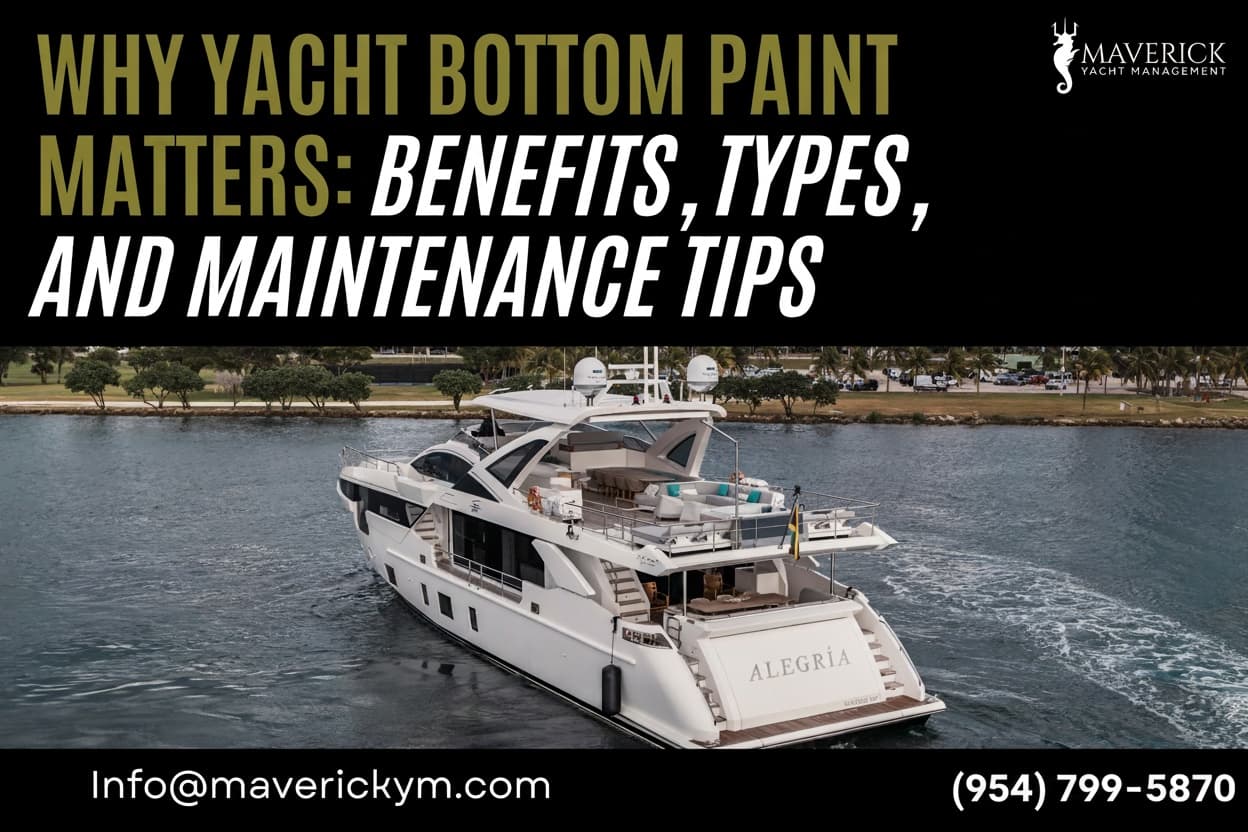
Why Yacht Bottom Paint Matters: Benefits, Types, and Maintenance Tips
Read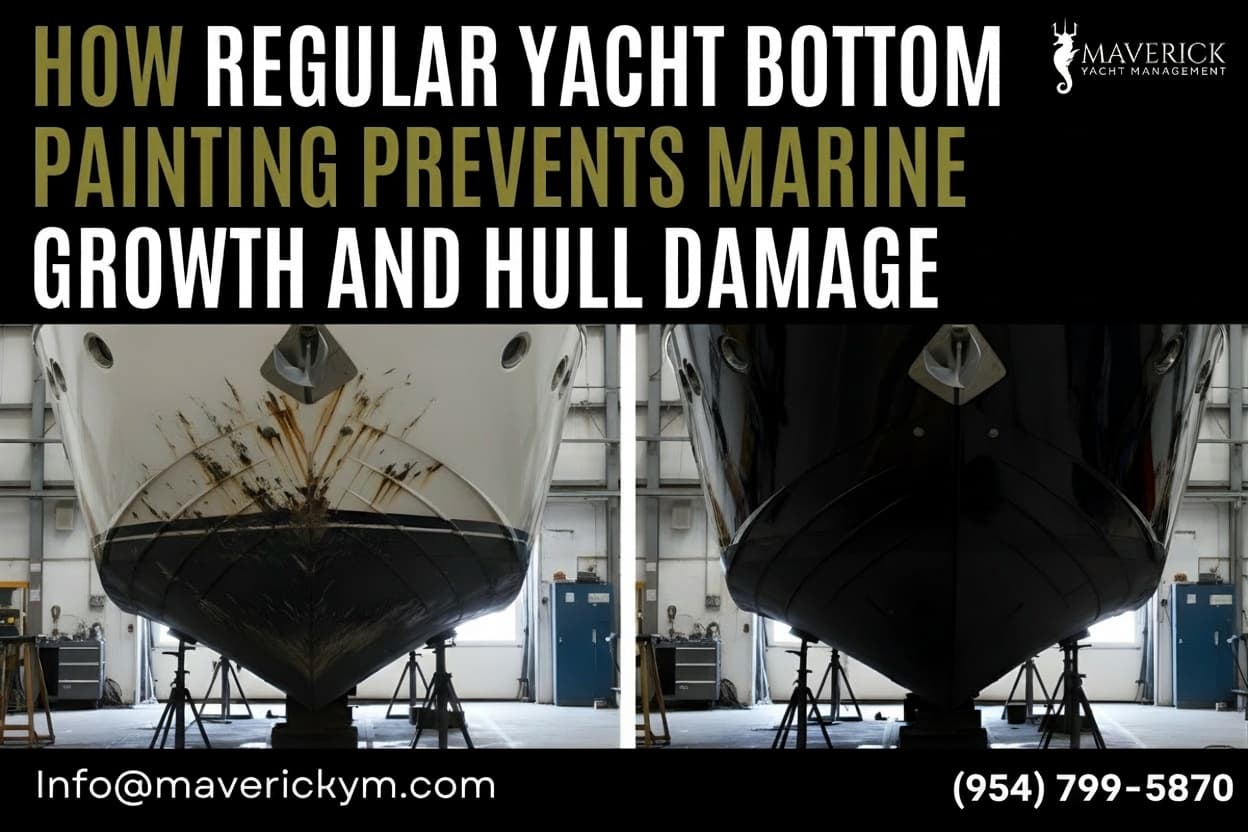
How Regular Yacht Bottom Painting Prevents Marine Growth and Hull Damage
Read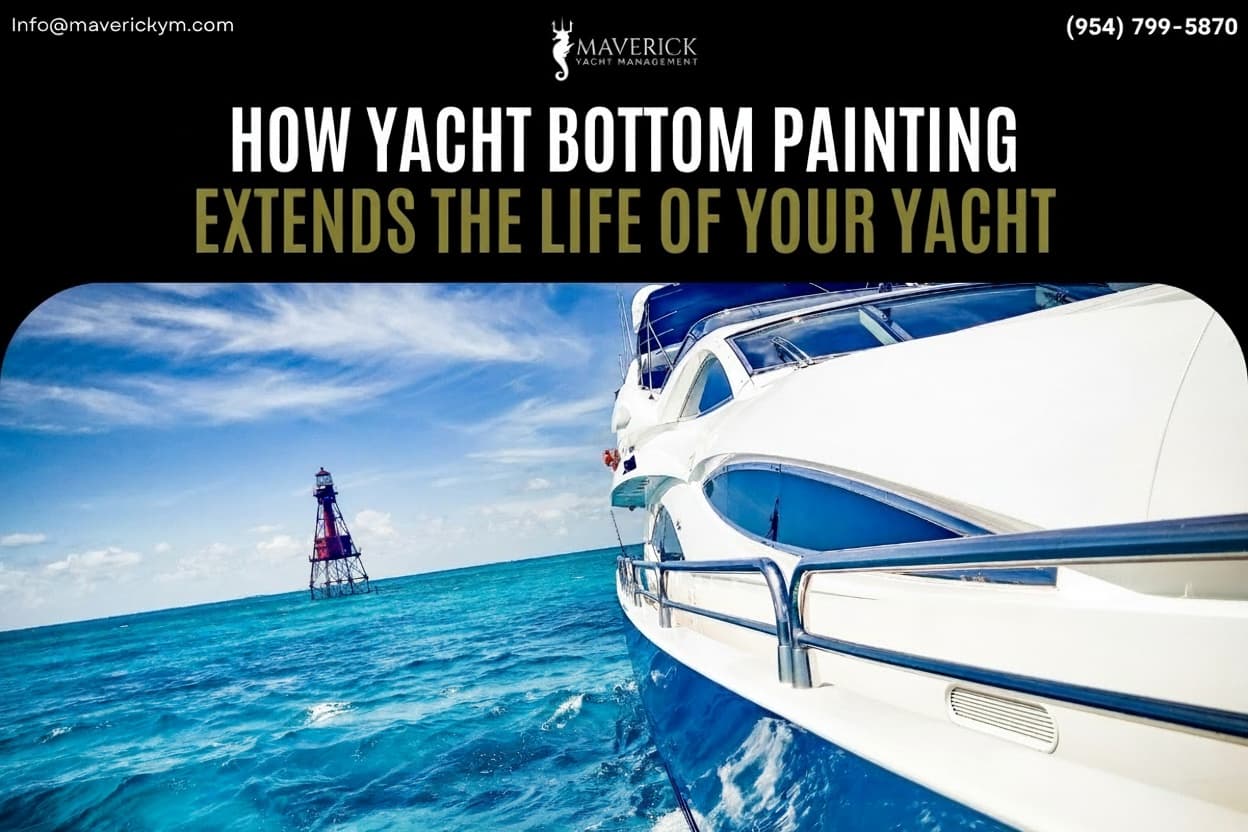
How Yacht Bottom Painting Extends the Life of Your Yacht
Read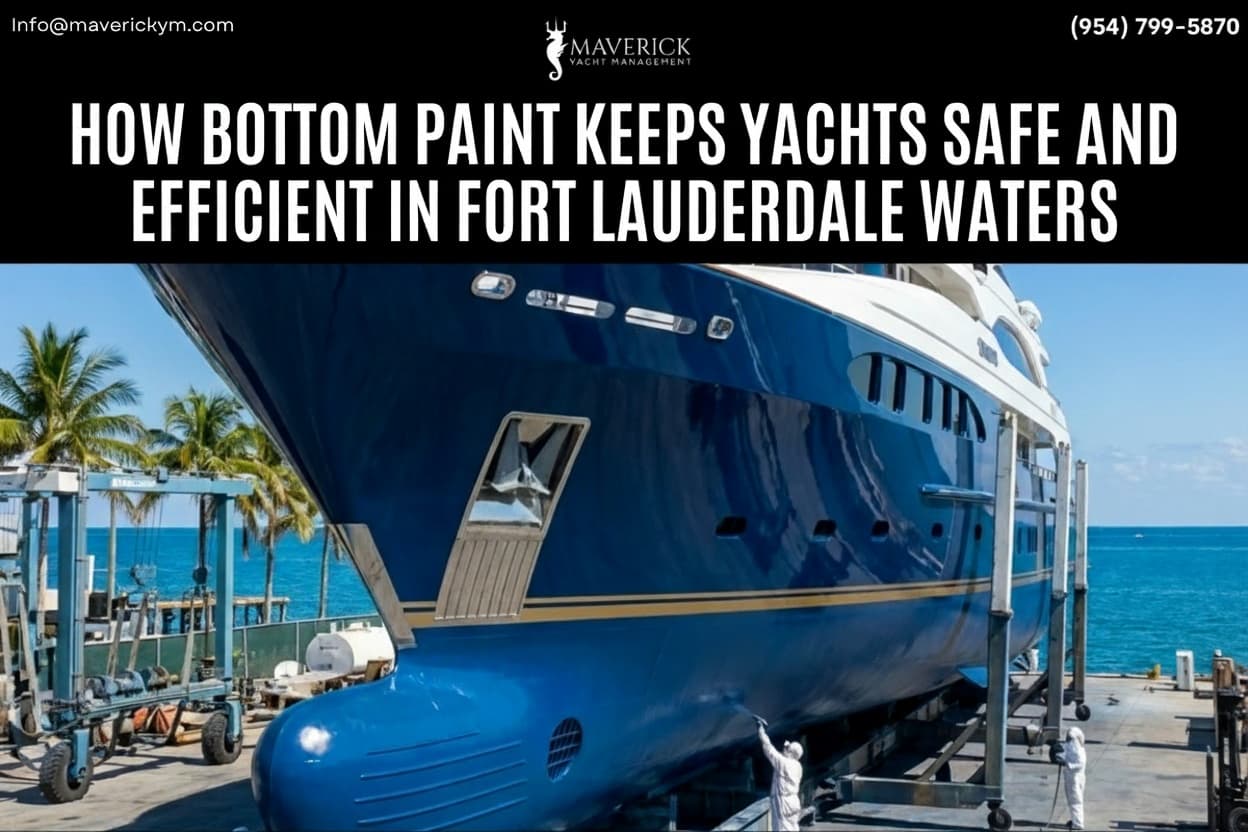
How Bottom Paint Keeps Yachts Safe and Efficient in Fort Lauderdale Waters
Read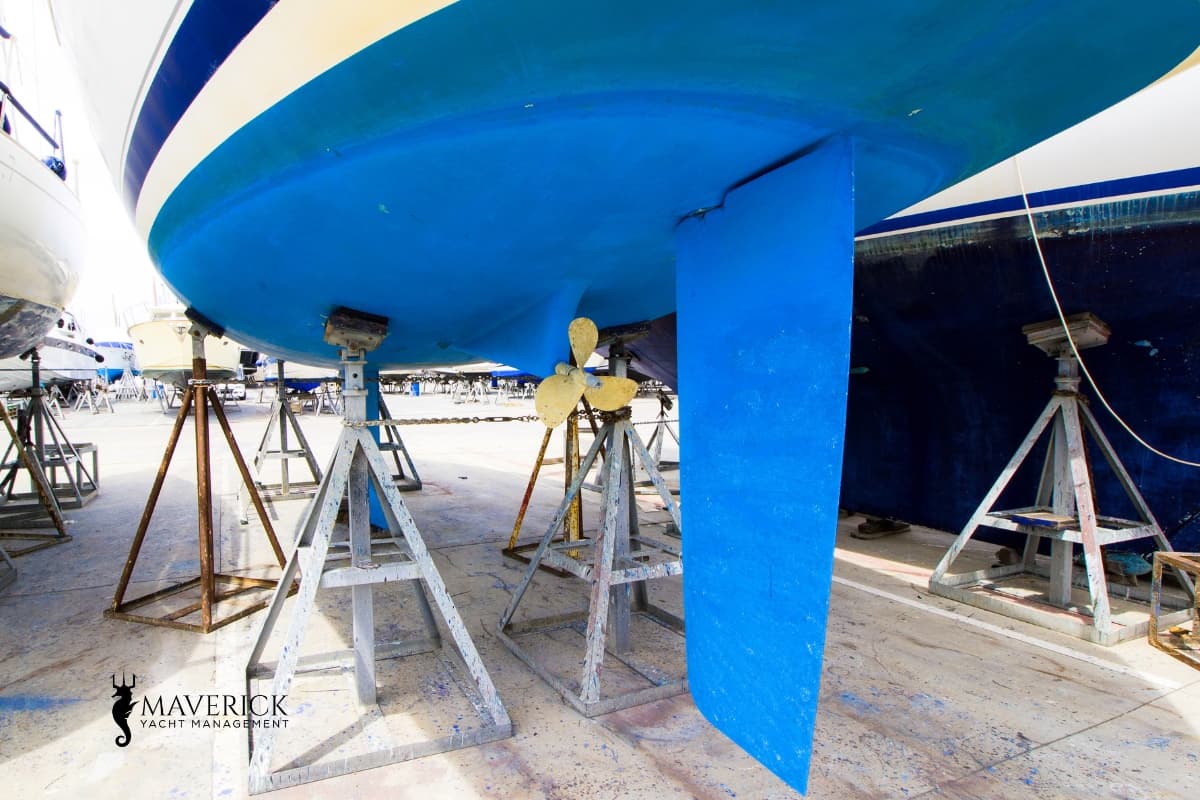
Bottom Paint, Biofouling, and the $10,000 Mistake Most Owners Make Before Summer
Read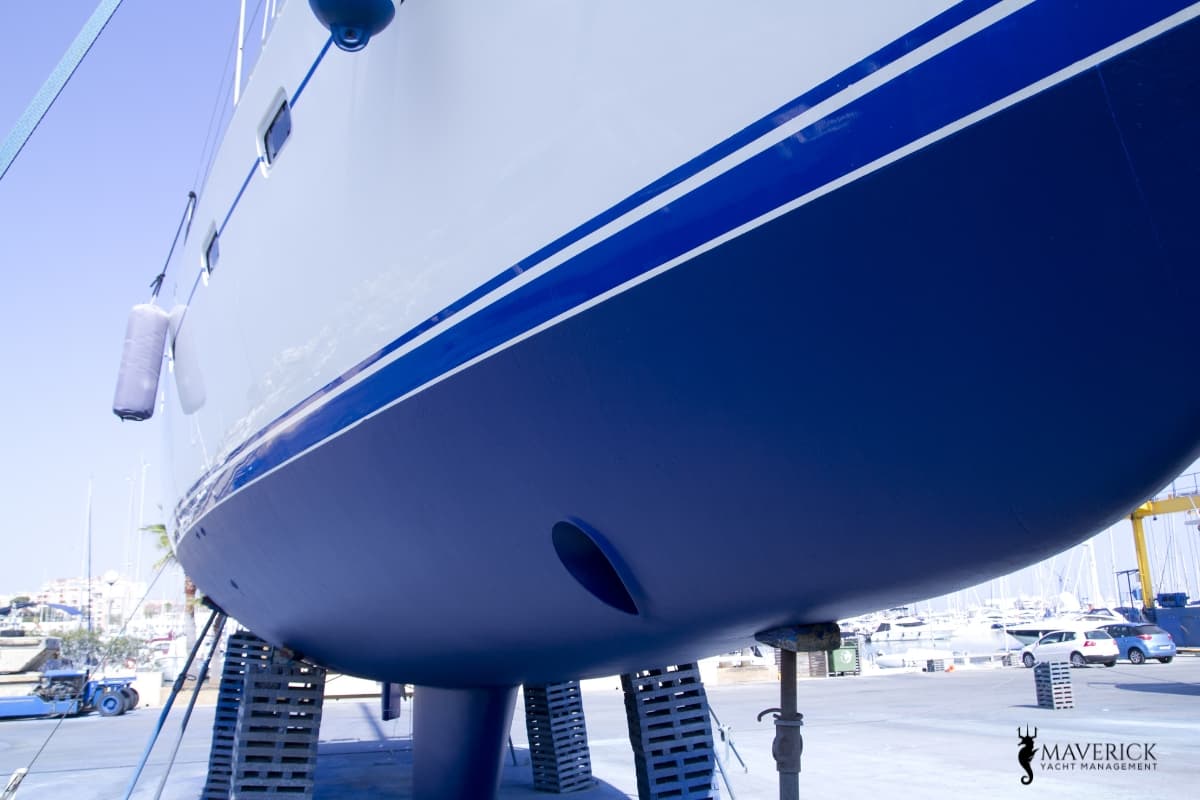
Antifouling in South Florida: The Bottom Painting Schedule Fort Lauderdale Captains Follow to Protect Hull Performance
Read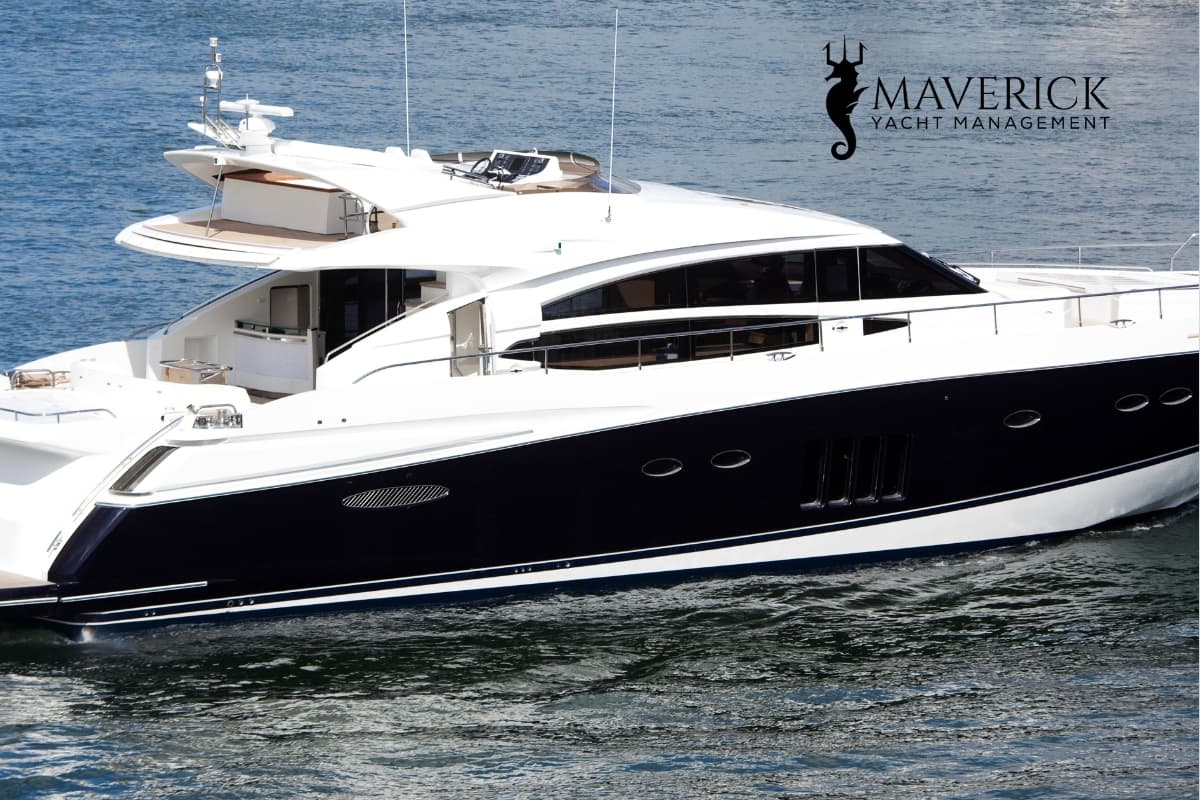
Antifouling Service for South Florida Yachts Year-Round
ReadReady to take the stress out of owning a yacht?
From fuel delivery to fiberglass repairs, our team of captains, technicians, and marine specialists is standing by to support your vessel — 365 days a year.