
Yacht Hurricane Prep in Fort Lauderdale: Protect Your Vessel This Season
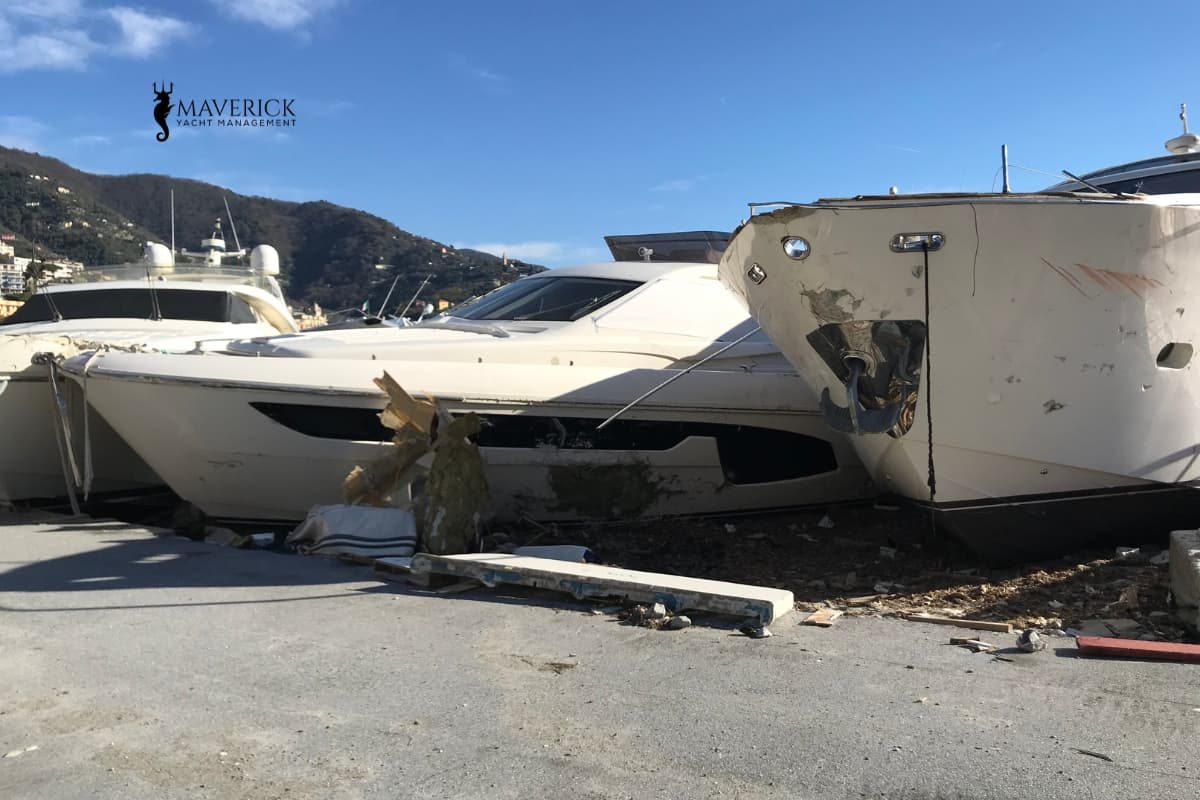
Hurricane season is a permanent fact of yacht ownership in South Florida, and preparation is what separates a protected vessel from a devastating loss. Owners who come through a storm well are the ones who prepared long before it appeared on a map. Planning, not luck, decides the outcome.
Preparation works best as a system built ahead of time. A solid hurricane plan yacht South Florida owners rely on gets set up in the calm of spring. Nothing then gets improvised once a storm threatens the coast. Readiness is a decision you make early.
Yacht hurricane prep in Fort Lauderdale comes down to understanding the risk, building the plan, and having a team ready to execute it. Getting those three right turns hurricane season from a source of dread into a managed part of ownership.
Understand the Risk Before You Prepare
Smart preparation starts with a clear view of the danger. According to the National Hurricane Center, the surest path to safety is understanding your risk and beginning preparations well before the season, rather than reacting to a forecast. Knowledge comes before action.
Water, not just wind, does the worst damage. Storm surge poses the greatest threat to boats and property along the coast, rising well above normal tides. Surge pushes miles inland where marinas and low-lying neighborhoods sit exposed.
A quiet forecast changes none of this. Even a season predicted to be below normal can send a single powerful storm over your marina, which is the only statistic that matters to your boat. One landfall is all it takes.
Build the Plan Before Hurricane Season, Not During It
Real protection lives on paper long before the first advisory. A hurricane protection plan spells out where the boat goes, who moves it, and every step to secure it. No critical decision then waits until a storm is bearing down. Structure removes panic.
Reservations cannot wait for a named storm. Haul-out yards and hurricane-rated slips across South Florida fill within hours of a serious threat. A prepaid, guaranteed space booked early beats a hopeful call. Securing space ahead is the difference between a safe haul and a closed gate.
Insurance belongs in the plan too. Reviewing your named-storm deductible, confirming coverage, and updating contacts before June keeps the paperwork from becoming its own emergency. Preparation covers documents as much as dock lines.
Start Before June: The Pre-Season Timeline
Good hurricane prep happens on a quiet spring afternoon. Handling the groundwork before the season opens means a storm never catches you making decisions under pressure. Early work buys calm later.
Reserve your haul-out or hurricane-rated slip first, since space vanishes the moment a threat appears. Booking a guaranteed, prepaid spot in spring locks in the single most important piece of any storm plan. Space is the first thing to disappear.
Review the plan and your insurance next. Confirming your named-storm deductible, updating emergency contacts, and assigning who does what turns a document into a team ready to move. Clear roles prevent confusion when minutes matter.
Service the boat before the season, not during it. Sound bilge pumps, charged batteries, and working seacocks give a vessel its best chance afloat, so scheduled maintenance is quietly part of storm readiness. A neglected boat starts a storm at a disadvantage.
The Core Decision: Haul, Dock, or Relocate
Where your yacht rides out a storm is the heart of any plan. Hauling the vessel onto land and securing it on stands or straps ranks as the safest option. Crews on the BoatUS Catastrophe Team report far less damage on boats stored ashore. Land is the strongest defense.
Staying in the water demands serious preparation. A vessel left at a dock needs heavier lines, generous chafe protection, and a slip shielded from surge. Line failure sinks more boats at the dock than wind alone. Water is workable, but only with real effort.
Relocation is the third path. Moving the yacht to a hurricane-rated marina or a protected hurricane hole often makes sense. A licensed captain relocation gets the vessel to safer water before conditions turn. Your plan and policy should settle this choice in advance.
What a Real Hurricane Plan Contains
A plan is only useful when it covers every detail in advance. Each element below turns a vague intention into a set of actions a team can execute without hesitation.
- A reserved and prepaid haul-out or hurricane-rated slip locked in before the season, not scrambled for once a storm is named.
- Clearly assigned responsibilities naming who moves the vessel, who secures it, and who documents its condition throughout.
- A documented securing procedure covering lines, chafe gear, fenders, hatches, and the removal of canvas and loose gear.
- Confirmed insurance details including the named-storm deductible, coverage limits, and any written-plan requirement the policy actually carries.
- Current emergency contacts for the owner, the marina, the yard, and the insurer, kept where the whole team can reach them.
- A post-storm inspection and reporting step so damage gets found, documented, and addressed as soon as conditions allow.
Insurance and Your Plan
Coverage and preparation are tied more closely than most owners realize. According to Discover Boating, insurance will not pay for damage from gradual deterioration or a lack of maintenance, so a neglected boat carries risk no policy will cover. Upkeep is part of readiness.
Many marine policies expect real preparation. Insurers frequently demand a written hurricane plan outright, and some reduce premiums for vessels with a documented storm protocol. Planning becomes a financial win as well as a safety one.
Confirm the details before the season, not after a loss. Knowing your named-storm deductible and any haul-out reimbursement in advance keeps a claim from turning into a second disaster. A quick call each spring is cheap insurance on your insurance.
People First: Safety Over Property
No boat is worth risking your life to protect. Once conditions turn dangerous, finish every task in advance, because the water and wind of a hurricane leave no room for last-minute heroics. Property is replaceable, and you are not.
Official guidance leads the way. Following evacuation orders and the safety advice at Ready.gov protects the people who matter most, while a prepared vessel and a trusted local team handle the boat. Let professionals manage the dock so your family never has to.
Why a Local Team Is the Backbone of the Plan
A plan only works if someone is there to run it. Absentee and seasonal owners cannot fly in ahead of every storm. Only a local team executing a plan already in place can protect a vessel you cannot reach. Distance makes local presence essential.
Johann Faubel, co-founder of Maverick Yacht Management and a US Coast Guard licensed captain, built the program around readiness rather than reaction. Maverick works in three clear phases, starting with a pre-season reservation that locks in a guaranteed haul-out or hurricane-rated slip before capacity disappears.
Execution follows the moment a storm is named. Crews relocate and secure each vessel to its documented protocol, then inspect the boat afterward and provide a condition report once the weather clears. Folding that program into full yacht management or a Platinum plan keeps storm readiness connected to year-round care.
When a Storm Is Named: Put the Plan Into Motion
Preparation shifts from planning to action once a watch is posted. Every system on the boat should already be sound. A working maintenance and repair history means bilge pumps, batteries, and seacocks are ready when the boat needs them most. Readiness comes long before the watch.
Activating the plan is where the step-by-step work begins. Stripping canvas, doubling lines, adding chafe gear, and confirming the haul-out all follow the detailed checklist Fort Lauderdale owners run before every storm. Following a proven sequence keeps nothing from being missed.
Timing decides everything at this stage. Starting early and finishing before conditions deteriorate is what keeps preparation safe and complete, since a hurricane rewards the owner who acted first. Early action is the whole advantage.
Common Hurricane-Prep Mistakes
A few avoidable errors undo even a well-intentioned effort. Steering around the following keeps a plan solid when a storm finally tests it.
- Waiting until a storm is named to book a haul-out, when every yard and safe slip in the region is already full.
- Skipping a written plan and trusting memory, so securing steps get improvised in a rush under the worst possible conditions.
- Ignoring the insurance review, then discovering a named-storm deductible or plan requirement only after filing a claim.
- Assuming you will be in town to handle everything, when work or travel can easily leave the boat unattended during a threat.
- Deferring maintenance on bilge pumps, batteries, and seacocks, the exact systems a vessel depends on to survive a storm afloat.
Frequently Asked Questions
When should I start preparing my yacht for hurricane season in South Florida?
Preparation should begin before the season opens on June 1, with a written plan, a reserved haul-out or slip, and an insurance review already in place. Active securing steps then begin the moment a watch is posted for your area.
What should a yacht hurricane plan include?
A complete plan covers where the boat goes, who moves and secures it, a documented securing procedure, confirmed insurance details, and a post-storm inspection step. Reserved haul-out space and current emergency contacts round out a plan a team can execute without hesitation.
Is it safer to haul my yacht out or leave it in the water during a storm?
Hauling ashore and securing the vessel on stands or straps ranks as the safest choice, and storm-response teams report less damage on boats stored on land. Leaving a yacht in the water can work with heavy lines, chafe gear, and a surge-protected slip, though it carries more risk.
What if I am out of state during hurricane season?
A local management team executes your pre-arranged plan without waiting for you to arrive, relocating and securing the vessel to its documented protocol. Such coverage is exactly why absentee and seasonal owners keep a professional storm plan in place.
How early should I reserve a haul-out or slip for hurricane season?
Reserve your space in spring, well before June, since haul-out yards and hurricane-rated slips fill within hours once a storm threatens. A prepaid, guaranteed spot is the single most valuable piece of an early plan.
Does having a hurricane plan lower my insurance costs?
Many insurers require a written hurricane plan and reduce premiums for vessels that carry a documented storm protocol. Confirming how your own policy treats a plan, and any haul-out reimbursement, is worth a call before the season.
Can a management company handle my entire hurricane plan while I travel?
A professional team can execute the whole plan on your behalf, from reserving a haul-out to securing the vessel and reporting afterward. Owners who travel or live out of state lean on that coverage, so their boat never waits on a delayed flight.
Who helps Fort Lauderdale yacht owners with hurricane planning?
Maverick Yacht Management builds and executes custom hurricane plans for vessels across Fort Lauderdale, Miami, and West Palm Beach, from pre-season reservations to post-storm return. A captain-led team and prepaid haul-out options keep each yacht protected through the season.
Protect Your Vessel Before the Next Storm
Hurricane plans built early are the best protection a South Florida yacht can have. Understanding the risk, reserving your space, and putting a local team in charge turns hurricane season from a threat into a managed routine.
Ready to protect your vessel this season? Contact Maverick Yacht Management to build a hurricane plan tailored to your boat and how you use it. Let a captain-led team keep your yacht secure from the first advisory to the all-clear.
Need help with your vessel?
Maverick offers free on-vessel inspections. We walk your boat, assess her condition, and send you a plan — no obligation.
Talk to a captain, not a call center.
Free vessel assessments. No commitment.
Request an Inspection (954) 799-5870